When a cyclone destroys villages or when children go without schools for years, the need for help is overwhelming. Governments respond, media covers the headlines, but the real, lasting difference often comes from charities that step in quietly and consistently. Muslim Aid is one of those organisations, and since 1985 it has been present in more than 70 countries, delivering aid where it matters most.
TLDR
-
Muslim Aid provides both emergency relief and long-term development.
-
Responds to natural disasters with food, shelter, and medical aid.
-
Runs education projects, orphan sponsorships, and healthcare programmes.
-
Safe water and sanitation initiatives change daily life in vulnerable communities.
-
Trusted by donors worldwide for transparency and effectiveness.
When disaster strikes
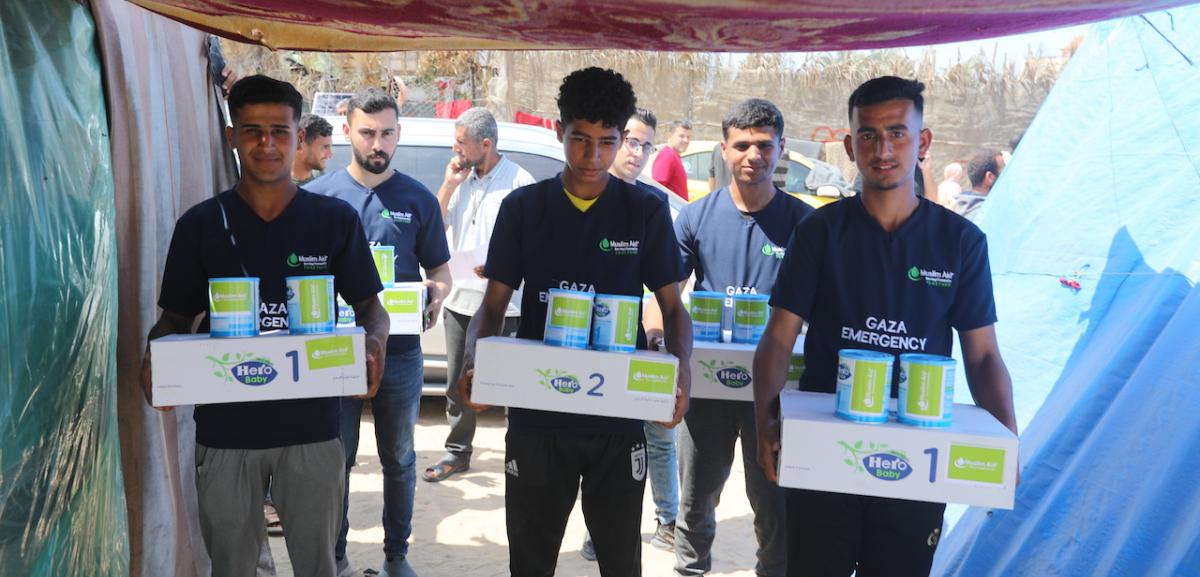
Earthquakes in Turkey, floods in Pakistan, famine in East Africa disasters like these can wipe out entire communities. Families lose homes, crops, and loved ones in an instant. That’s when Muslim Aid mobilises, providing immediate relief. Trucks deliver food parcels, clean water, and medical supplies. Temporary shelters go up to protect families from harsh conditions.
In these moments, speed matters. The first few days after a disaster decide whether children go hungry or receive a meal, whether the sick find medicine or suffer without it. That’s why having an organisation already experienced and prepared to act quickly is so crucial.
Building resilience after emergencies
But the mission doesn’t end once the news cameras move on. Muslim Aid focuses on rebuilding communities so they are stronger in the long run. That means repairing schools, restoring water supplies, and supporting local livelihoods. For families, it’s the difference between barely surviving and regaining independence.
For example, water and sanitation projects are a core part of their work. A single borehole or water pump reduces disease rates and frees up children especially girl from hours of daily walking to fetch water. It’s a practical change that ripples through entire communities, giving kids the chance to attend school and families the chance to live with dignity.
Education as a lifeline
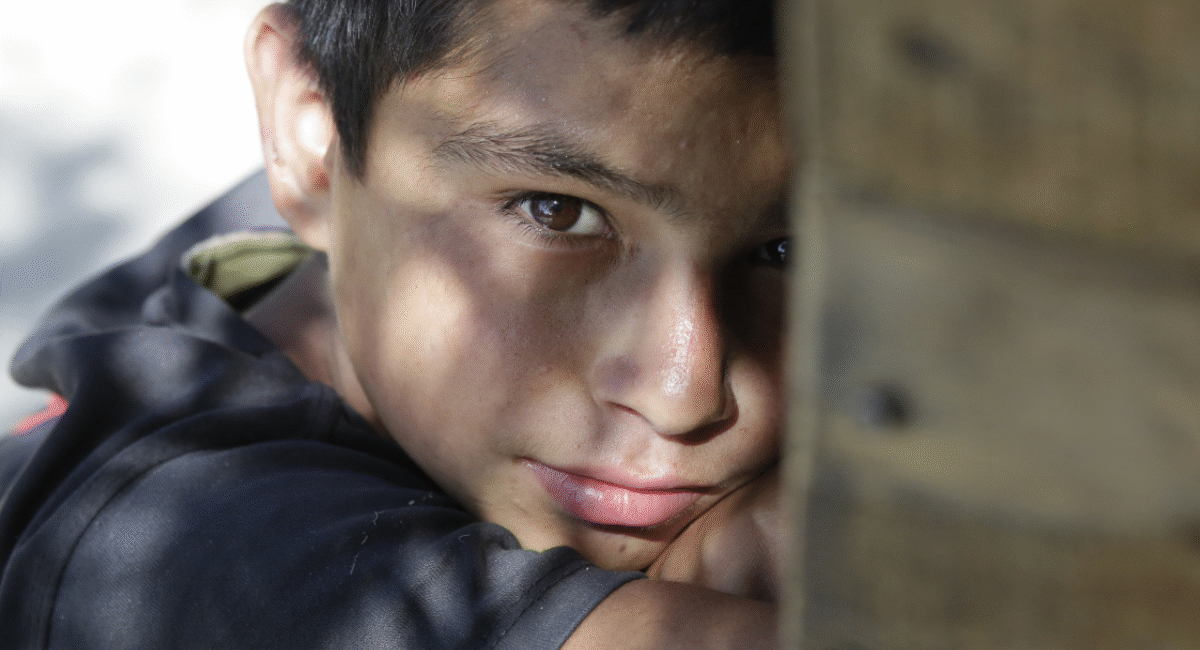
Education is one of the clearest ways to break cycles of poverty, yet millions of children around the world still lack access to classrooms, teachers, and books. Muslim Aid invests in building schools, providing scholarships, and supporting orphaned children with the resources they need to continue learning.
For a child who has lost parents to war or disaster, being able to stay in school means stability, community, and the hope of a brighter future. These programmes ensure children don’t just survive crisis but are given the tools to thrive beyond it.
Healthcare where it’s needed most
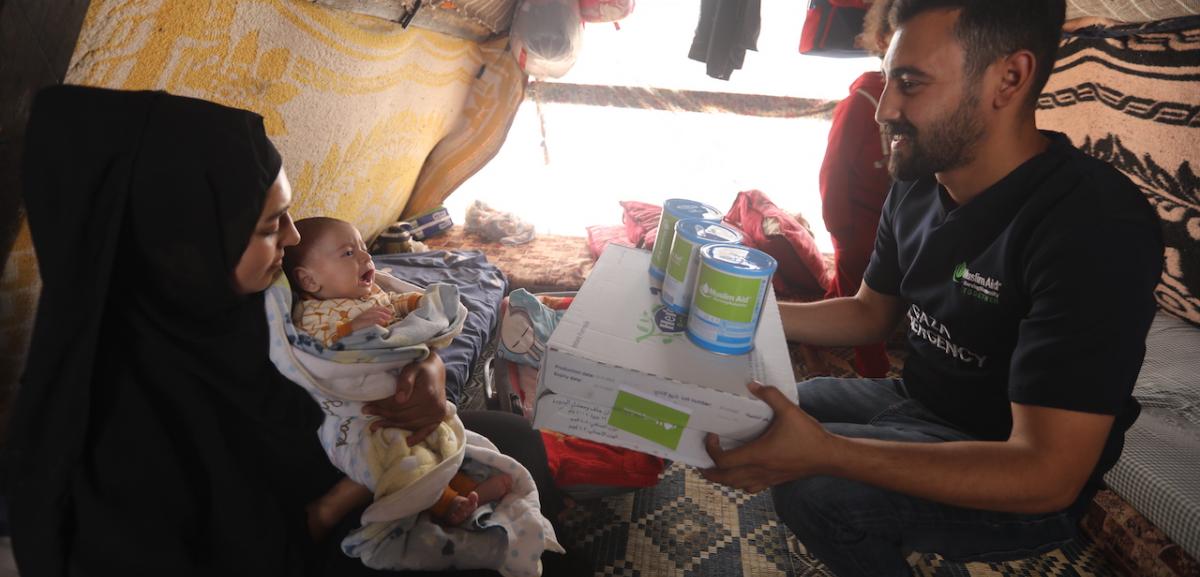
Another pillar of Muslim Aid’s global work is healthcare. From mobile clinics in refugee camps to maternal health projects in rural areas, the charity makes sure that medical care reaches communities often forgotten by formal systems. Something as basic as access to prenatal care or vaccination campaigns can save countless lives in fragile environments.
A trusted partner for donors
Charities depend on trust, and Muslim Aid has spent decades building it. Their transparency, accountability, and track record have made them one of the most respected names in the sector. Donors can see the impact of their contributions, whether in the form of a rebuilt school, a child attending class, or a family receiving urgent relief.

Final thoughts
Disasters and poverty can feel overwhelming when viewed from a distance, but change becomes possible when organisations like Muslim Aid are there to take action. By addressing immediate crises and committing to long-term development, they bring stability, opportunity, and dignity to people who need it most.
For first-time donors or long-time supporters, giving through Muslim Aid is more than charity it’s a direct way to rebuild lives and open doors to futures that once seemed impossible.
Other Articles

Maplin Webcams: Clear, Reliable, and Ready for Any Setup
How Muslim Aid Brings Hope to Lives Torn Apart by Crisis